Plastic Environments
- Session at the International Congress of History of Science and Technology 2025
Organisers/Management
Date
- 29 June 2025–05 July 2025 University of Otago, North Dunedin, OT, Neuseeland
Keywords
Cultural History, Cultural Studies, Polymer Engineering, Technical History
Description
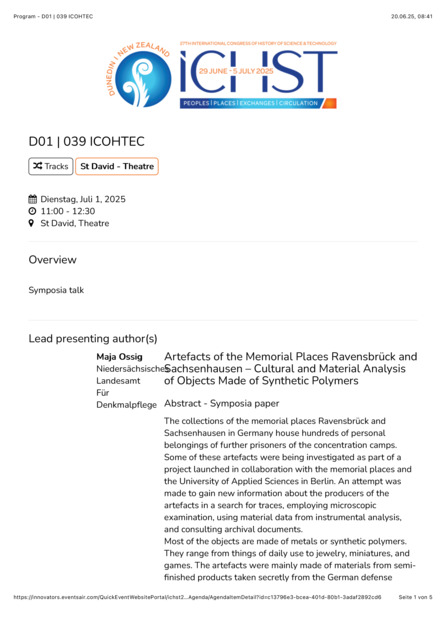
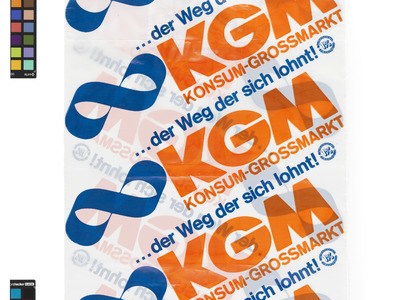
The session is dedicated to the history of plastics. The history of artificial materials is still a small field. Thus, the session covers different approaches to the history of plastics to give an overview: it combines studies concerning political impacts, environmental impacts, the role of plastics in different sectors of industry, and discusses aims of collections of plastics. Florian Bettel, Anne Bieber, and Maja Ossig link plastics to politics: Ossig’s paper is dedicated to plastic items, produced, and used by prisoners of NS concentration camps: they give evidence of the skills of their producers. Bieber’s paper is dedicated to museum’s collections of plastics; she analyses a collection giving evidence of the key role, plastics had in the Four-Year Plan of the Nazi regime. Bettel traces the history of plastics processing after 1945. The sector is characterised by small and medium-sized enterprises, often in the form of family businesses. A case history of a company, now in its third generation, serves to illustrate the intertwined histories between entrepreneurs, family members and teaching and research institutions. Finally, Stefan Poser is dealing with the environmental impact of plastics; he analyses the development from improving to devastation of nature and the sociocultural background of this development. With the respective papers, the session will address the theme of the conference by linking local knowledge about the production, design and sale of plastic with international developments, markets and innovations. The end of the Second World War, the newly drawn borders and global political blocs have created a very specific situation in Central Europe. The war industry in Nazi Germany left behind large agglomerations of production, the technical universities were riddled with ideologues of the regime, and the denazification of universities and companies was only partially successful, if at all. The Iron Curtain separated regions that had previously been in exchange for many years. Against this background, the session examines the constituent elements of the plastics sector in Central Europe, the old and new networks, the actors and how they were able to move knowledge, materials and products. The focus here is not least on the emergence of a new market for plastic products, as the new materials also penetrated the nascent leisure industry and were associated with a new attitude to life.
Lecturers
Location
Address
- University of Otago, North Dunedin, OT, Neuseeland
- North Dunedin
- Neuseeland
Associated Media Files
 Image#1
- Document#2
- Document#3