text
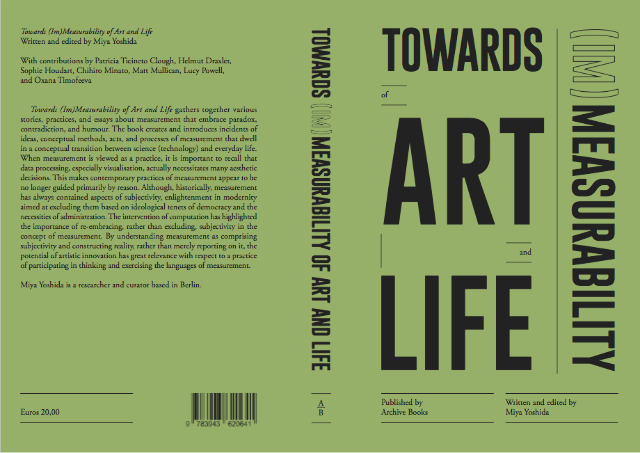
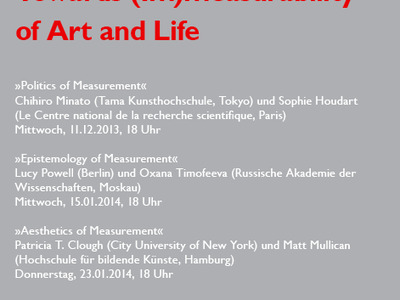
When measurement is viewed as a practice, it is important to recall that data processing, especially visualisation, actually necessitates many aesthetic decisions. This makes contemporary practices of measurement appear to be no longer guided primarily by reason. Although, historically, measurement has always contained aspects of subjectivity, enlightenment in modernity aimed at excluding them based on ideological tenets of democracy and the necessities of administration (Porter, 1997). The intervention of computation indicates the importance of re-embracing, rather than excluding, subjectivity in the concept of measurement. By understanding measurement as comprising subjectivity and constructing reality, rather than merely reporting on it, the potential of artistic innovation has great relevance to a practice of participation in thinking and exercising the languages of measurement. With contributions by Patricia Ticineto Clough, Helmut Draxler, Sophie Houdart, Chihiro Minato, Matt Mullican, Lucy Powell, and Oxana Timofeeva